Everyone's a developer now. Nobody's a debugger.
the rise of vibe coding and what gets lost when nobody learns to debug
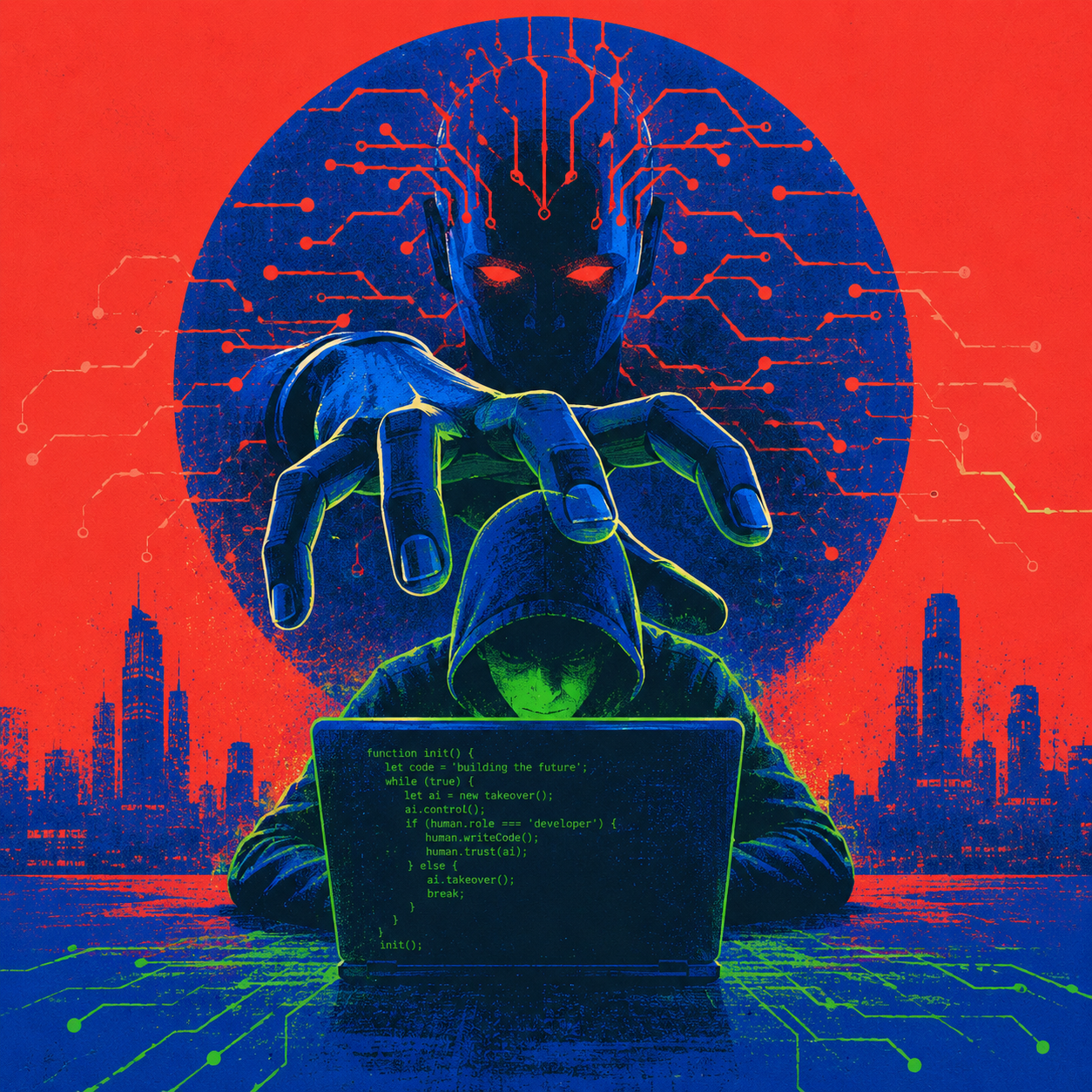
A couple years ago this would've sounded like a joke. Now you type a sentence into an AI tool and watch a working app show up. No classes, no years of grinding through tutorials. Just a prompt and, weirdly, a product.
How it started
Nobody planned this. It just happened, and it happened fast.
For a couple decades, building software worked one way: someone sat down and typed almost every line themselves. Slow going, but they knew the thing inside and out, every weird corner of it.
Then AI got good enough to just write the code. Not autocomplete, not snippets, whole apps.
That's the real shift. You used to need to know how to code. Now you mostly need to know what you want. Say it clearly enough and the AI does the rest.
That's vibe coding, basically. No CS degree, no debugging bootcamp. Just someone describing an idea until it turns into software that runs.
How it actually works
You describe what you want in plain English. The AI writes the code. You look at what came out, and either ship it or ask for tweaks. No docs, no manuals, just back and forth conversation until it does what you wanted.
It's fast, but it's shallow by design. Developers used to optimize for understanding the system. Vibe coders optimize for speed to a working result. Different goals entirely.
(If you haven't heard the term, vibe coding is telling an AI what you want built, in normal language, and never touching the code yourself. You just keep describing until it's right.)
The flip
Before 2023, people wrote almost all the code themselves, and AI wrote almost none of it. Then it flipped, and it flipped quick. By now, in a lot of new apps, most of the code wasn't typed by a person at all, it was generated from what a person asked for.
Code written by developers vs. AI, 2015–2026
Illustrative estimates based on industry adoption trends. Percentages represent share of new application code.
What got traded away
Speed came in. Understanding went out. Practice got replaced by prompting.
Learning to code used to mean years of reading docs, breaking stuff, and figuring out why. Vibe coders skip straight to the result. So when something eventually breaks, they were never really taught how to look inside it in the first place. That's not a shortcut, it's a different foundation altogether.
Why that's a problem
Vibe coding doesn't just save time. It hides a gap.
When you write code by hand, you pick up things along the way without realizing it, why this part breaks under load, why that input needs a second check. That's where the instinct comes from, the one that catches problems before they become disasters.
Skip the writing and you skip the instinct too. The app works fine, until it doesn't. And when it breaks, there's often nobody in the room who actually understands it well enough to fix it quickly.
This isn't about bashing beginners. Beginners have always existed. What's different is that you used to be able to spot one, slow, unsure, asking basic questions. Now a total beginner can produce something that looks exactly like expert work. The app's confidence has nothing to do with the builder's competence.
The takeaway
Everyone wants to build fast. Fewer people want to think about what happens when it breaks.
Vibe coding didn't kill the need to actually understand code. It just made it a lot easier to forget that the need never went away.